Mold often develops where moisture remains long enough to support growth. Sometimes the signs are obvious. In other cases, mold can grow behind drywall, beneath flooring, around plumbing or inside other hidden areas. Learning the common signs of mold growth can help you identify moisture problems early and decide when further inspection may be needed.
However, appearance alone cannot confirm the species or full extent of mold. A musty smell, staining or damaged materials can point to a moisture problem, but a proper inspection may be necessary when the source is hidden.
10 Common Signs of Mold Growth in Your Home
1. Visible Signs of Mold and Discoloration
Visible staining is one of the most common signs of mold growth homeowners notice. Mold may appear as black, green, brown, white or other coloured patches on walls, ceilings, grout, wood and other materials. However, colour alone does not identify the type of mold.
If you notice unusual spotting, check the surrounding area for moisture, leaks or condensation. Areas under sinks, around windows, behind furniture and near basement walls often deserve closer attention.
2. Fuzzy, Powdery or Unusual Mold Growth
Mold can appear fuzzy, powdery, flat or irregular depending on the surface and conditions. Growth often develops in damp basements, bathrooms, crawl spaces and areas with poor airflow.
Avoid brushing or scraping suspected mold because disturbing the surface can release particles into the air. Instead, investigate the moisture source and determine whether professional assessment is appropriate.
3. Peeling Paint or Bubbling Wall Finishes
Peeling paint, bubbling wallpaper and swollen drywall can indicate excess moisture inside or behind a wall. Although these signs do not automatically mean mold is present, persistent moisture creates conditions where mold may develop.
Look closely around plumbing lines, windows, foundation walls and areas with previous leaks. If the finish keeps deteriorating after repairs, hidden moisture may still be present.
4. Persistent Musty Odours
A persistent musty or earthy smell can indicate moisture or microbial activity, especially when no visible source appears nearby. The odour may seem stronger inside closets, basements, cabinets, utility rooms or behind furniture.
However, smell alone cannot confirm mold. Sewage, damp materials and other building conditions can produce similar odours. Therefore, finding the source is more useful than simply masking the smell.
5. Indoor Symptoms Around Damp or Moldy Areas
Some people may experience irritation or allergy-like symptoms around damp or moldy environments. However, symptoms alone cannot prove that mold is the cause because many indoor conditions can produce similar effects.
Water stains on ceilings, walls or floors can point to a leak or ongoing moisture problem. Likewise, frequent condensation on windows, plumbing lines or other cold surfaces can raise indoor moisture levels.
Check basements, bathrooms, mechanical rooms and areas around HVAC equipment. Fixing the moisture source early can reduce the chance of additional building damage and mold growth.
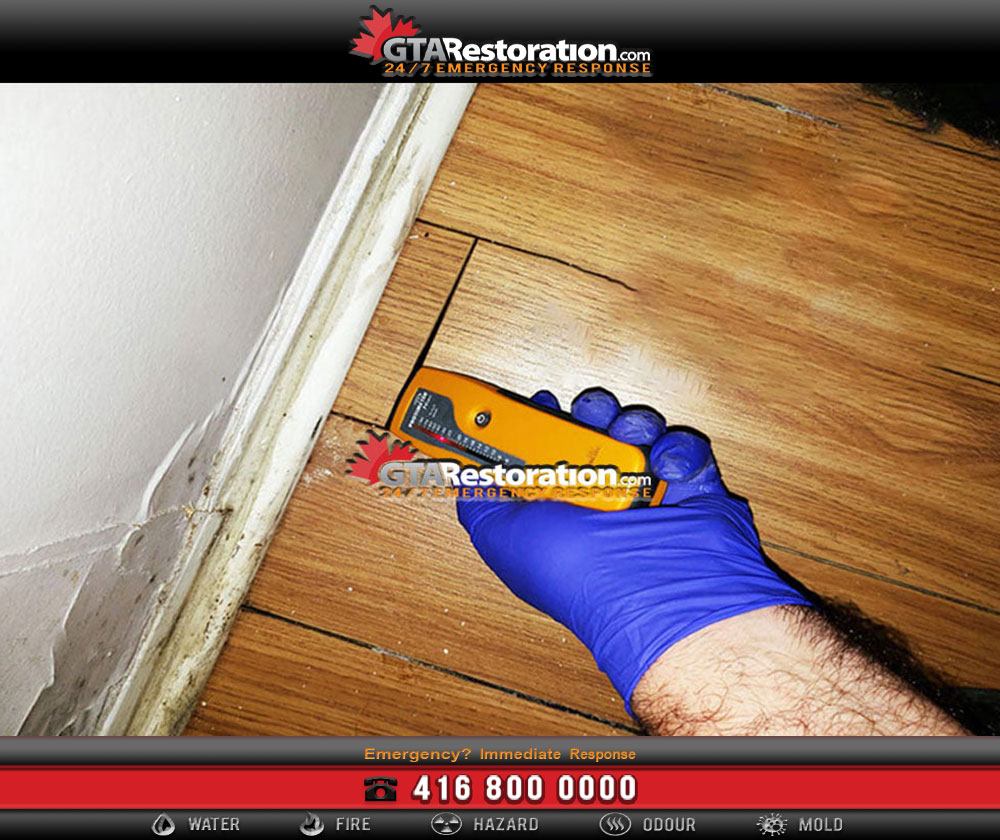
7. Warped Wood or Buckling Flooring
Wood trim, doors and flooring can swell, warp or buckle when they absorb moisture. Soft spots or uneven flooring may also indicate water beneath the visible surface.
Although moisture does not always mean mold is present, hidden dampness should be investigated. Moisture beneath flooring or inside walls can remain unnoticed long after the original leak.
8. High Indoor Humidity
High humidity can support mold growth when damp conditions continue. A simple hygrometer can help you monitor humidity in basements, bathrooms and other moisture-prone areas.
If indoor humidity stays high, improve ventilation, correct the moisture source and use dehumidification when appropriate. In addition, check for hidden leaks if humidity remains elevated despite normal ventilation.
9. Rust or Corrosion Near Damp Areas
Rust on metal fixtures, fasteners, vents or plumbing can signal ongoing moisture. For example, corrosion beneath sinks or near foundation walls may indicate a slow leak or condensation problem.
The rust itself does not prove mold growth. However, it provides a useful reason to inspect nearby walls, cabinets and flooring for moisture.
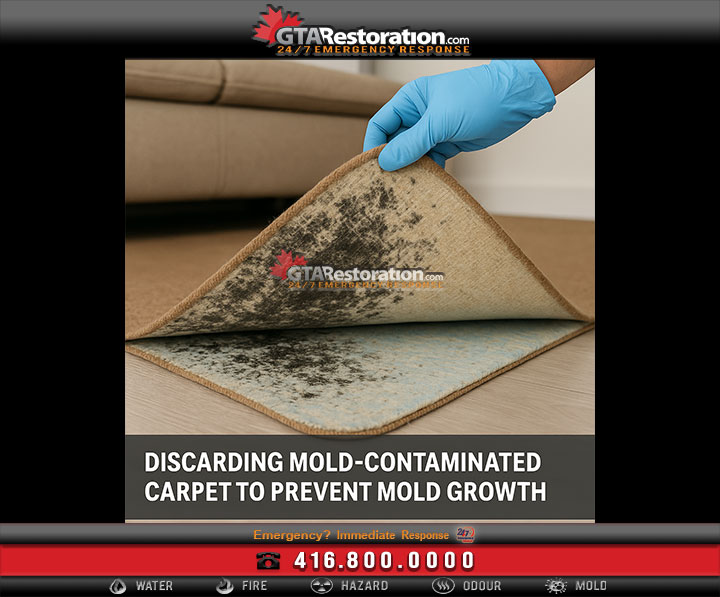
10. Staining on Carpet, Upholstery or Other Porous Materials
Carpet, underpad, furniture and other porous materials can hold moisture after spills, leaks or flooding. Persistent staining, dampness or musty odours may indicate that moisture reached deeper layers.
Inspect beneath rugs, around furniture legs and along exterior walls. If porous materials stay wet for an extended period, they may require professional cleaning, drying or removal depending on the source of the water.
How to Detect Hidden Mold in Your Home
Visible mold is only one part of the inspection process. Hidden growth may occur behind drywall, under flooring, around plumbing, inside cabinets or in areas affected by an old leak. These hidden conditions can make the signs of mold growth more difficult to recognize.
Start by looking for the moisture source. Check for plumbing leaks, roof problems, foundation seepage, condensation and past water damage. Moisture meters can help identify damp building materials, while thermal imaging can help locate temperature patterns that may require further moisture testing.
Thermal cameras do not detect mold directly. Instead, they help technicians identify areas where moisture may be present. A moisture meter can then provide more direct information about the condition of the material.
Mold Testing and Hidden Mold Detection
Mold testing is not necessary in every situation. If visible mold clearly covers a damaged area and the moisture source is known, the priority may be correcting the water problem and developing an appropriate remediation plan.
However, testing may help when the source is unclear, growth is hidden, occupants have specific concerns or documentation is needed for a property transaction or remediation project. Sampling should support an inspection rather than replace one.
Mold growth usually connects back to a moisture problem. Therefore, fixing the leak, condensation or humidity issue is essential. Cleaning visible growth without correcting the source may allow the problem to return.
Common causes include plumbing leaks, basement seepage, roof leaks, appliance failures, poor bathroom ventilation and previous water damage. If the source remains unclear, professional leak detection can help identify hidden moisture conditions.
When Signs of Mold Growth Need Professional Inspection
A small isolated moisture problem may be easy to correct. However, professional help may be appropriate when you notice repeated signs of mold growth, mold covers a larger area, contamination involves several rooms, growth keeps returning, moisture remains hidden or the problem follows significant water damage.
GTA Restoration provides mold inspection and remediation services throughout Toronto and the GTA. Our team can assess visible conditions, check moisture levels and help determine the appropriate next step.
Mold often begins with a moisture problem rather than obvious visible growth. Musty odours, water stains, peeling paint, damp drywall and recurring condensation can all provide reasons to investigate further. GTA Restoration helps homeowners, property managers and commercial clients assess moisture and suspected mold conditions throughout Toronto and the GTA.
Visible Mold Growth
Mold can appear in several colours and textures. However, appearance alone cannot identify the species or determine whether a material contains hidden contamination. The surrounding moisture conditions and extent of affected materials matter more than colour alone.
Hidden Mold Behind Walls
Leaks and condensation can allow moisture to collect behind drywall, baseboards, flooring and cabinets. As a result, mold may develop without obvious surface growth. Moisture readings can help determine whether hidden building materials require further investigation.
Musty Odours
A musty smell can point to excess moisture or microbial activity. However, other sources can create similar odours. Therefore, identifying the source provides a better solution than simply using fragrances or deodorizing products.
Moisture Detection
Technicians can use moisture meters and thermal imaging during an inspection. Thermal imaging helps locate temperature differences that may suggest moisture, while direct moisture readings provide additional information about affected materials.
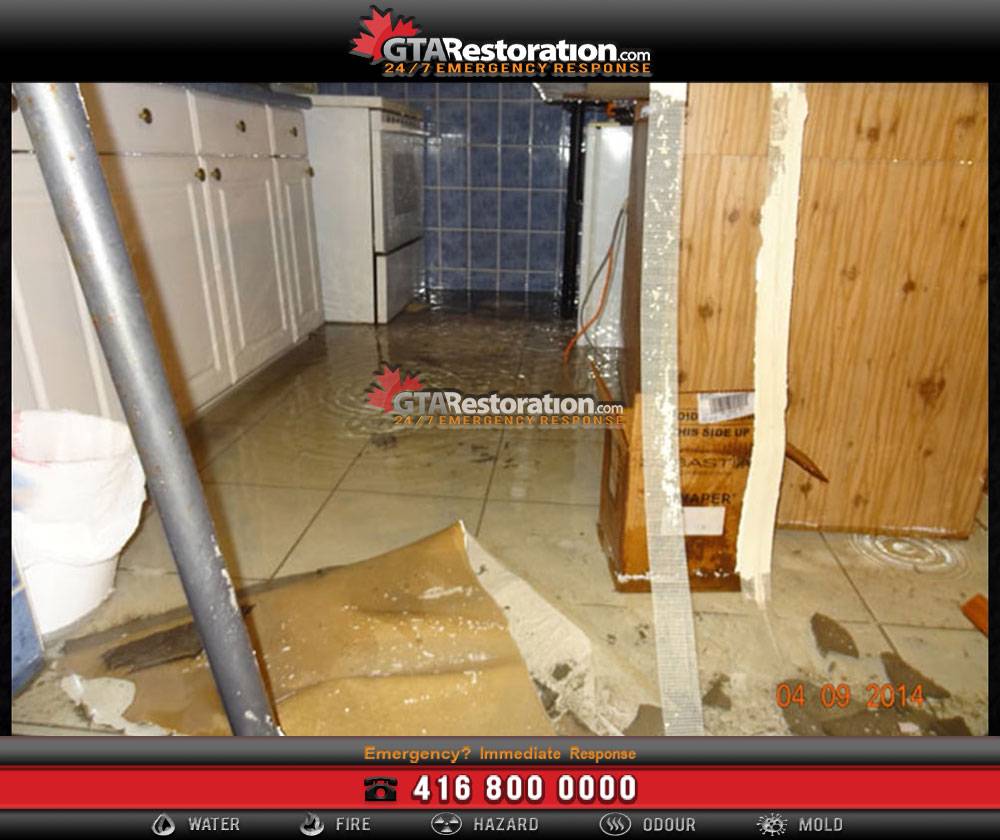
Mold and Water Damage
Water damage can create conditions that support mold growth when wet materials remain damp. For that reason, quick water extraction and structural drying can help reduce prolonged moisture inside walls, floors and other porous materials.
Humidity and Condensation
High indoor humidity and recurring condensation can contribute to damp conditions. Improving ventilation, correcting leaks and using dehumidification when appropriate can help control indoor moisture.
When Mold Testing Makes Sense
Testing may provide useful information when growth is hidden, the source remains unclear or documentation is needed. However, testing should support a proper visual and moisture inspection rather than replace it.
Mold Inspection for Homes and Condos
Homeowners and condominium residents may notice stains, odours or moisture around windows, plumbing fixtures, exterior walls and basements. An inspection can help identify the likely moisture source and determine whether additional work is necessary.
Commercial Mold Concerns
Commercial properties can develop mold after leaks, flooding, roof problems or HVAC-related moisture. Property managers should address recurring dampness quickly, especially when moisture affects wall cavities, ceilings or several units.
Mold Services Across Toronto & the GTA
GTA Restoration provides mold inspection, moisture assessment and remediation services throughout Toronto and surrounding GTA communities. Our team can evaluate visible concerns, identify moisture conditions and recommend appropriate next steps.
Concerned about mold growth in your property?
Discuss visible mold, musty odours or hidden moisture concerns with GTA Restoration.
GTA Restoration offers local flood & water damage repair, mold removal/remediation, asbestos removal/abatement, fire/smoke damage repair services and much more.
Common warning signs include visible spotting, musty odours, water stains, peeling paint, recurring condensation and moisture-damaged building materials.
Does a musty smell mean I have mold?
Not always. A musty smell can indicate moisture or microbial activity, but other sources may create similar odours. An inspection can help identify the cause.
Can mold grow behind walls?
Yes. Hidden moisture from plumbing leaks, condensation or previous water damage can create conditions for mold behind drywall, baseboards and other finishes.
Can thermal imaging detect mold?
No. Thermal imaging does not identify mold directly. It can help locate temperature patterns that may point to areas that need further moisture testing.
Do I always need a mold air test?
No. Testing may help in certain situations, but a visual inspection and moisture assessment often provide the first important information.
When should I call a mold professional?
Consider professional help when growth is extensive, keeps returning, involves hidden moisture or follows significant water damage.














You must be logged in to post a comment.